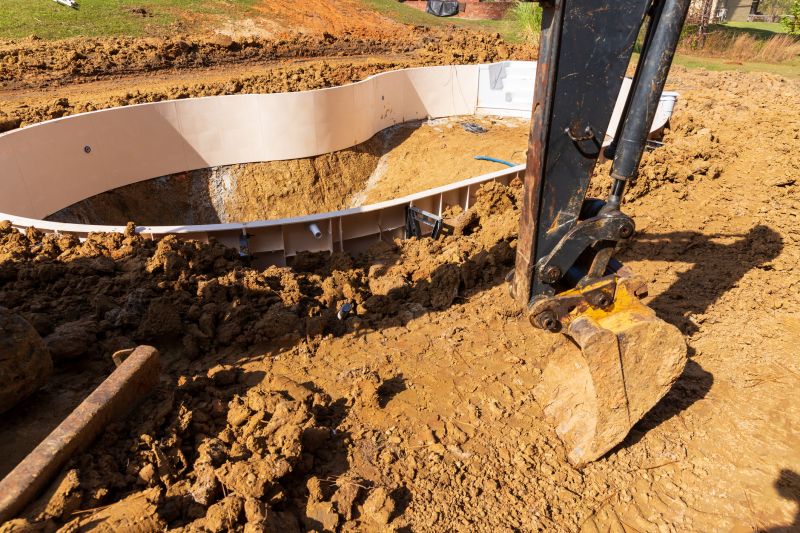
Pool Excavation in Atlanta, GA
Pool excavation services involve the removal of soil and earth to prepare a site for installing a new swimming pool. This process covers a variety of projects, including in-ground pool installations, renovations, or replacements, and may require grading and leveling of the land to ensure proper foundation and drainage. Property owners typically want to understand the scope of excavation needed, the equipment used, and how the process might impact their landscape or existing structures before requesting these services.
Homeowners often inquire about site preparation requirements, such as clearing vegetation or existing features, as well as any permits or regulations that may apply in their area. It’s also important to consider the size and type of pool being installed, as these factors influence the excavation approach and depth. Clear communication about project details and site conditions can help ensure the excavation process aligns with the property owner’s expectations and project goals.
Many property owners in Atlanta, GA look into Pool Excavation for repairs, replacements, upgrades, and appearance-related improvements.
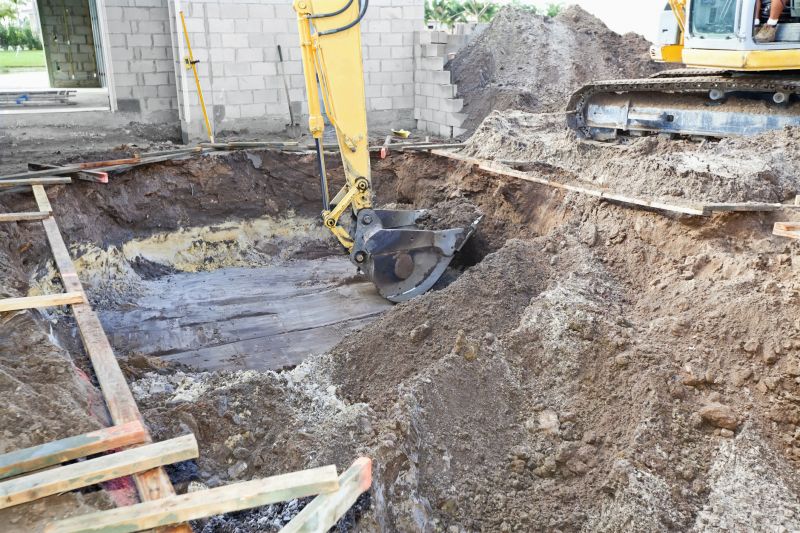
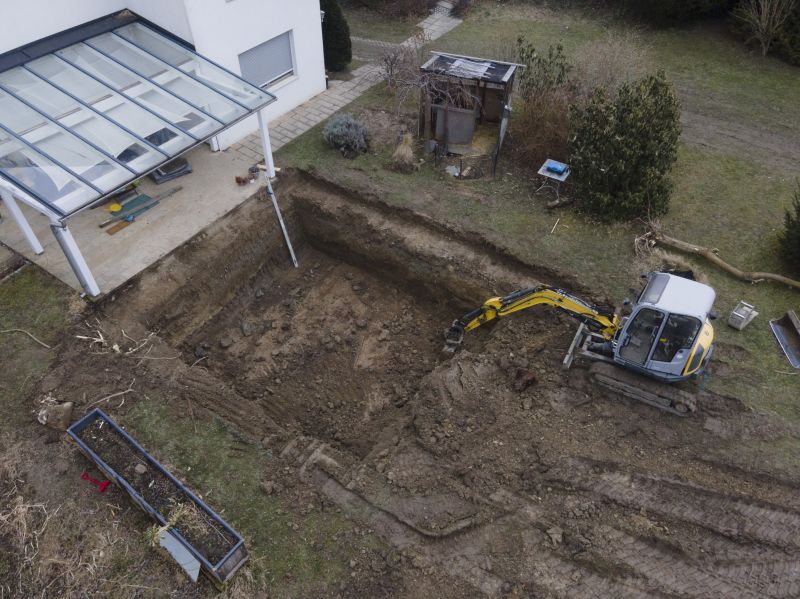
Pool Excavation Planning
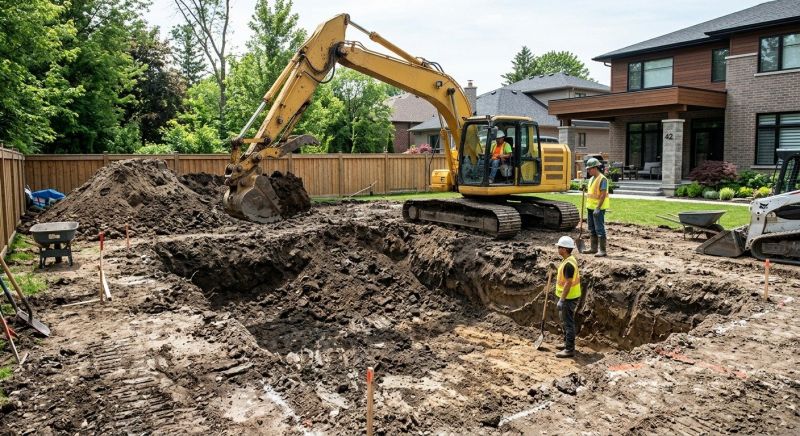
Proper site assessment ensures the excavation process fits the property’s layout and needs.
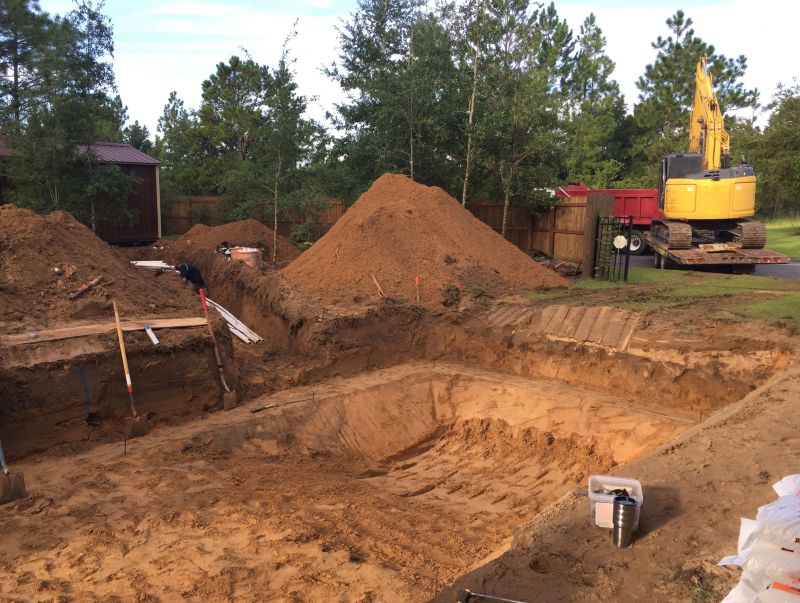
Excavation Equipment & Techniques
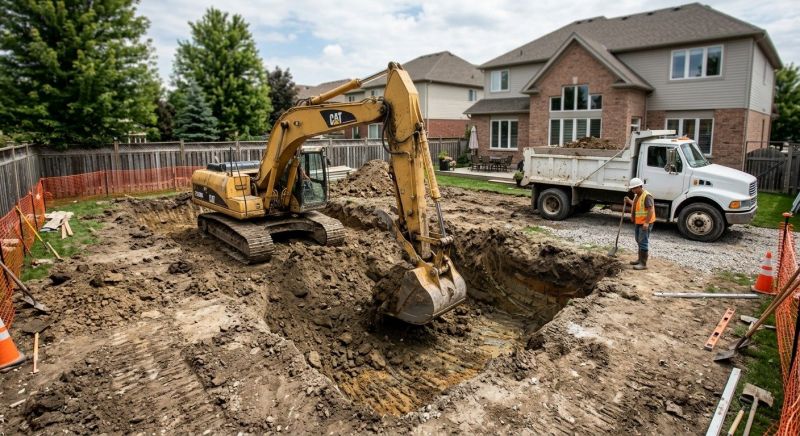
Advanced machinery and methods help create a precise and stable foundation for new pools.
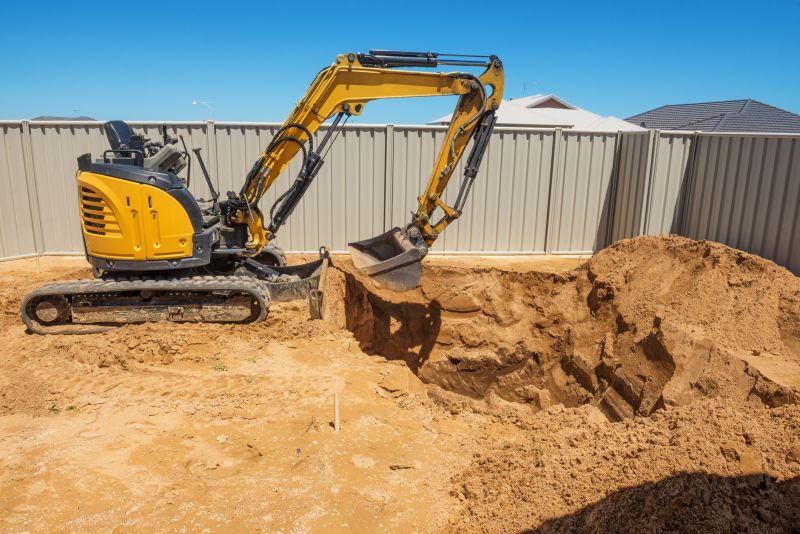
Site Preparation & Cleanup
Thorough preparation and debris removal prepare the area for the next steps in pool installation.
Pool Excavation in Atlanta, GA

Pool excavation services involve the removal of soil and earth to prepare a site for installing a new swimming pool. This process covers a variety of projects, including in-ground pool installations, renovations, or replacements, and may require grading and leveling of the land to ensure proper foundation and drainage. Property owners typically want to understand the scope of excavation needed, the equipment used, and how the process might impact their landscape or existing structures before requesting these services.
Homeowners often inquire about site preparation requirements, such as clearing vegetation or existing features, as well as any permits or regulations that may apply in their area. It’s also important to consider the size and type of pool being installed, as these factors influence the excavation approach and depth. Clear communication about project details and site conditions can help ensure the excavation process aligns with the property owner’s expectations and project goals.
Many property owners in Atlanta, GA look into Pool Excavation for repairs, replacements, upgrades, and appearance-related improvements.
Common Pool Excavation Jobs
In-ground pool excavation - prepares the site by removing soil to create a level area for a new pool.
Vinyl liner pool excavation - involves precise digging to accommodate flexible liner pools.
Gunite or concrete pool excavation - requires careful excavation to support durable concrete structures.
Retaining wall excavation - creates space for supporting structures around the pool area.
Site clearing and grading - ensures proper drainage and a stable foundation for pool installation.
Pool removal and fill-in - safely excavates and fills in existing pools for property restoration.
Pool Excavation Questions
What is involved in pool excavation? Pool excavation involves removing soil to create a level area for the pool structure, ensuring proper depth and dimensions are achieved.
How do I prepare my property for excavation? Clearing the area of obstacles and ensuring access for equipment helps facilitate a smooth excavation process.
What types of pools require excavation? All in-ground pools, including vinyl, fiberglass, and concrete, typically need excavation as part of their installation process.
Are there any property considerations before excavation? It’s important to assess underground utilities and property slopes to ensure safe and efficient excavation work.
Request Pool Excavation in Atlanta, GA
Use the quote form on this page to share the basics of your project and request more information for the type of work you need.